Look For Her Among Her Friends

Look for her among her friends- a suggestion by Irvin Yalom, in his book “Staring at the Sun” set me down memory lane. I encourage this to clients suffering from grief. The book tells how self-disclosure can be used to further the therapeutic collaboration.

Recognize, Accept Investigate Non judgment and Mr.Anger

As the anniversary of his mother came, he called his mother in law now in her 80s. She was one of his mother’s good friends.

My friend told of the times when he was being told in subtle and not so subtle ways to not bother others. 

Grief is a journey, and my friend Mr.A has helped me see many ways in which he has mapped his journey of grief. 

One of the things he grieves is the loss of his home, which he built, in the 1990s, when his mother was alive. Now he goes to the same house, to do service, having spent many years in 12 step recovery. However, he did confide that there are uneasy moments when he is told to shape up or shape out, which does not go well for his self esteem and connection.

In the blog on Anger (Dragons or Donkeys) – we had gone through the different approaches to Anger using the classical CBT model- STOPP tools and the Narrative therapy tools of externalization, scaffolding conversations and remembering.

One year on, we did a review of the issues faced through the Grief lens – remembering his mother, who passed away from cancer.

Recognizing his mother’s educator voice within him has been an important part of his growth journey. He remembers the sacrifices, adjustments and nurturing which went in the early years of coming to Canada. She was a well established teacher in a leading school of Bombay (Now known as Mumbai). The best job she could get was that of a bank teller. Her husband, who was a leading marketing executive, became a security guard.

Accepting the hurts and how they are affecting his day, and using the mindfulness tool of going back to a time in his childhood when he had seen abuse in his family of origin became a powerful tool to become more aware of his patterns.

We made a movie – and went back to one of the parties of his childhood, when after the party there would be bitter arguments between his parents. “When I was small, I used to hide and was terrified by the arguing which sometimes became physically abusive,” he said, reliving those moments. We went into the four areas of mindfulness- the body, feelings, thoughts and principles. At his level as a ten year old, he could remember the freezing of the body, the confusion and fear, bitterness at how the evening gathering which was so pleasant had deteriorated to this mess and the principle of family foundation being violated while being there for the four children. 

In the here and now, of the therapy session, we went through these in a safe space and he could see those patterns being repeated in the recent episode of being told to Shut Up or Get Out. 

As we linked the family of origin issue, how that memory stays in his body, feelings, thoughts and what new knowledge he has gained through therapy, he smiled at the habits of his head and heart.
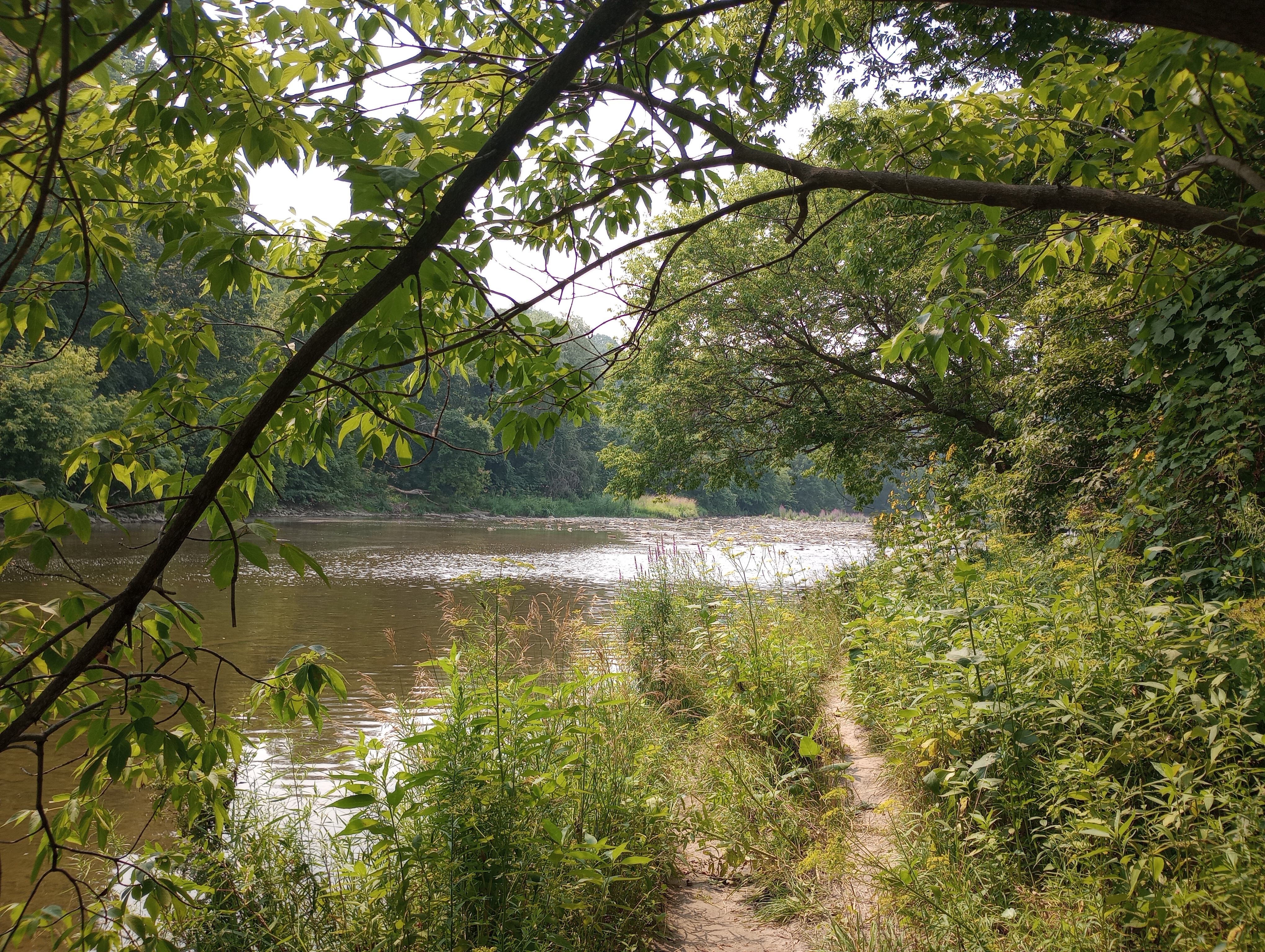
Humber Walks-July 2025: Etienne Brule Park, Old Mills area of Toronto has been one of my thinking places for many years. Here I meet trusted fellows and friends. One such friend told me about the grief of the passing away of his mother, when he was 19 years old, and how he then descended into a life of Drugging and Alcohol. Through a program of Recovery he has been sober for over three decades and helps carry the message of Recovery-One Day at a Time.

Post script: Later that week, he made a phone call to his mother in law, now in her 80s, who told him, when his marriage was getting over. “For me, you will always remain my son-in-law, no matter what happens between my daughter and you.” That moment of being valued served as a message of connection, hope and reconciliation in some of the darkest moments of his life.

Look for her among her friends, the principle came alive in a near and particular way for my friend.

References: Adapted from

Adler, A. (2014). Individual psychology. In An introduction to theories of personality (pp. 83-105). Psychology Press.

Siegel, D. J. (2010). The Mindful Therapist: A Clinician’s Guide to Mindsight and Neural Integration (Norton Series on Interpersonal Neurobiology). WW Norton & Company.

Yalom, I. D. (2008). Staring at the sun: Overcoming the terror of death. The Humanistic Psychologist, 36(3-4), 283-297.

Re-membering

Understanding Grief: Finding Meaning Through Narrative Therapy

30 August is Grief Awareness Day. 

People who have lost someone have a certain look recognizable maybe only to those who have seen that look on their own faces. I have noticed it on my face and I notice it now on others. The look is one of extreme vulnerability, nakedness, openness.”

Didion, (2007, p.35)

The stages of grief model of Kubler Ross and David Kessler talks about Denial, Anger, Bargaining, Depression, Acceptance, Finding meaning. 

Case scenario– The long term partner chose not to be with him when he went for MAID- Medical Assistance in Dying as she did not want to increase the conflicts in his family. The step sons, brothers do recognize her, but the ex-wife and related persons would be uneasy by her presence. As she struggled with feelings of guilt, shame, confusion we turned to Narrative therapy informed techniques to deepen the finding meaning.

Remembering Conversations- Discussing the contributions of a loved one to your life, your contributions to their life and how one would imbibe those lessons and memories going forward

Background:  Re-membering is a Narrative Therapy (NT) intervention in which we dig deeper into the implication of one’s contribution to the person’s identity, that person’s contribution to our life, how one’s identity would be viewed through that person’s eyes and the implication of these contributions (White, 2007)

Finding meaning

The contribution to each other’s identity conversations led to how he had helped her process her loss when her ex-husband passed away, and she wanted to be there for the sake of her sons from that marriage. Her partner had helped her in that difficult stage and they found meaning in deeper conversations on the processes of family, parenting and life. Her own contribution to his identity was on finding renewed meaning in his connection with his step-sons, after his marriage dissolved. His step sons spoke at the funeral and mentioned how they had seen a different way of relating as their father (the only person they knew as their father- climbed upon him when they were children- as their own biological father had left when they were very small). 

When one views one’s identity through that person’s eyes, reflects upon the implications of these contributions one can find go beyond day-to-day life and have a richer connection.

Exercise

Stop and try to remember a person who has physically passed, and remember the joint energy of that relationship.

An aid could be try to remember a shared moment and see how it felt to be together, what remains from that moment and how you would imbibe that energy in your life.

Share as comfortable.


What was the experience of re-membering and sharing like.

My example: Nature walks early in the morning were a gift my father gave to me. I remembered him on his 4th death anniversary on a walk up the Hills near Haridwar, Uttarakhand India in 2003. That moment of imbibing the joint energy has been imbibed into my life by many such nature walks over the decades. One of his other contributions in my life was to model what a flashcard and a checklist would do to one’s work. In my pre-school years, I saw him make flash cards of important drugs, how they would interact with other drugs and with body systems in different stages of disease (he was an anesthesiologist). Having such flashcards and checklists have been part of my professional identity. 

Re-membering models could see these experiences (nature walks, checklists, flashcards) be revisited by seeing how these experiences contributed to each other’s meaning. As I went into hostel (medical school days-Delhi 1980s) we went for nature walks to the hills of Shimla, Himachal Pradesh, India and he talked about his younger childhood years, we prayed at the temples which he had visited as a child. Those pilgrimages, museum walks have imbibed in me the spirit of taking my own sons, nephews, nieces to museums, natural areas. 

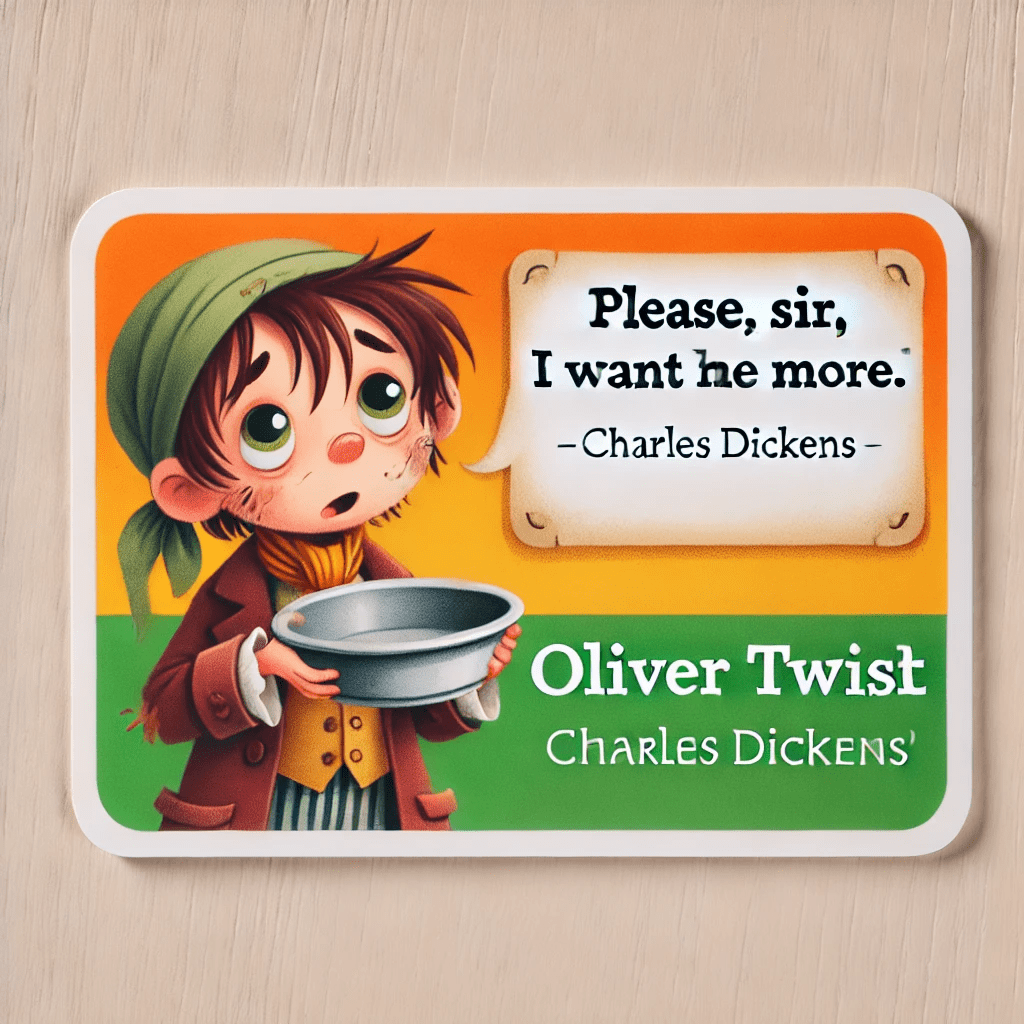
My grade 3 teachers in St Vincent’s High School Pune, Maharashtra, India- 1975-76, introduced me to Charles Dickens through the story of Oliver Twist. The love of the written word is a legacy my parents passed on to me. They started our Home Library even before I entered grade 1.

If his spirit would see/experience this, he would view it as an extension of our walks together in the Western Sahyadri ranges and Northern Himalayan ranges of India.

Key words

Grief,  Finding Meaning, Identity, Definitional Ceremonies, Remembering, Narrative Therapy

Walks-New York Botanical Gardens; My parents instilled the love of the written word, nature and science in me. My mother, a botanist, created the first Rock Garden I knew, in Poona, Western India in 1970s. Looking at this Rock Garden at NYBG-June 2025-sent me down memory lane. What part of our identity is shaped by a loved one?

References White, M. (2007). Maps of narrative practice. WW Norton & Company.