From The First Day We Spoke

Typically a man expresses self-confidence and assurance in an early conversation with a prospective online match. Most women I know are attracted to this quality, and I had fallen for that brand of Alpha male myself plenty of times over the years. So when Jim told me that first night, “ I have a lot of self-doubt, : and said, “ I worry that I’m not a good enough man,” I might have turned and run; in fact I felt an impulse to do so. I suppose others would have too, though I am not sure that Jim had shared that level of self-disclosure with many. He could play the game of a successful San Francisco attorney, and he looked the part. He just never played it with me. 

From the first day we spoke, he told me the truth about himself. I did the same

The Best of Us, Joyce Maynard, page 17.18 

Learning from literature tool , creating existential maps and choosing to connect despite doubts are three pillars on which I help couples build their Couple-Bubble.

Learning from Literature: Jim (James Barringer-June 12-1952-June 16-2016)…

from the Best of Us- by Joyce Maynard

Jim and Joyce (Source-https://www.joycemaynard.com/the-best-of-us-21)

In the paragraph above, Jim is a mature man who instead of projecting an Alpha male personality, playing games, comes out as a person who is able to face the truth of his many facets with honesty and openness. This shapes the kind of man, and partner, he has become.

For those wanting to do a deeper dive into Learning from Jim– I would highly recommend this book, in which Jim talks openly about his failed first marriage, his long-term partnership with a colleague and how that relationship broke down as his children never accepted his partner, the changes in his life as he became associated with Joyce.

Their struggles with cancer, the medical system and the existential map are described in nuanced detail by the author.

Earlier Perspectives: Nuances and Lessons from the Dying-about Life and Living

It reminded me of another book on struggles with cancer, written by Paul Kalanithi – when breath becomes air- which I had discussed in a book club in 2019.

When Breath Becomes air-by Paul Kalanithi (discussed in Feb 2019 book club)

Creating the Couple Bubble-Choosing Connection over Doubt

In our work with those struggling with communication in intimate relations, we use Erikson’s stages of psychosocial development to develop a framework of choosing connection versus distancing. 

Connection will lead to creation of a Couple Bubble in which both partners affirm each other, rather than a distancing pattern of blaming, hiding behind Victimhood and Self Righteousness.

Erikson’s Stages of Psychosocial Development are

  • Trust vs. Mistrust. Age developed: Birth to 18 months. …
  • Autonomy vs. Shame and Doubt. …
  • Initiative vs. Guilt. …
  • Industry vs. Inferiority. …
  • Identity vs. Confusion. …
  • Intimacy vs. Isolation. …
  • Generativity vs. Stagnation. …
  • Integrity vs. Despair.

Jadoo-Jail-Jao Yahan se…

(Black Magic-Incarceration-Return

variations in South Asian Immigrant Community)

Intimacy or lack of it, is linked to demon dialogues like- His family has done Kala Jadoo- Black Magic and is adversely affecting our relationship.

I tell such persons, who are sticking to their guns that while I do not know much about Black Magic, I can see some forms of Black and White Thinking in these dialogues.

Black and White thinking- is a form of Cognitive Distortion which is judgmental, stems from overthinking, all or none, emotional reasoning, discounting the positive and lack of openness to see the habits of the head and heart which keep us in negativity, isolation and blame-victim mode.
Choosing Intimacy, Not Isolation

Themes: Core of Intimacy vs. Isolation.

If one is practicing a program of recovery, one will see doubts as hindrances and in a calm, confident, clear manner see where black and white judgmental tones are hindering the couple-bubble.

In session this may look like this:

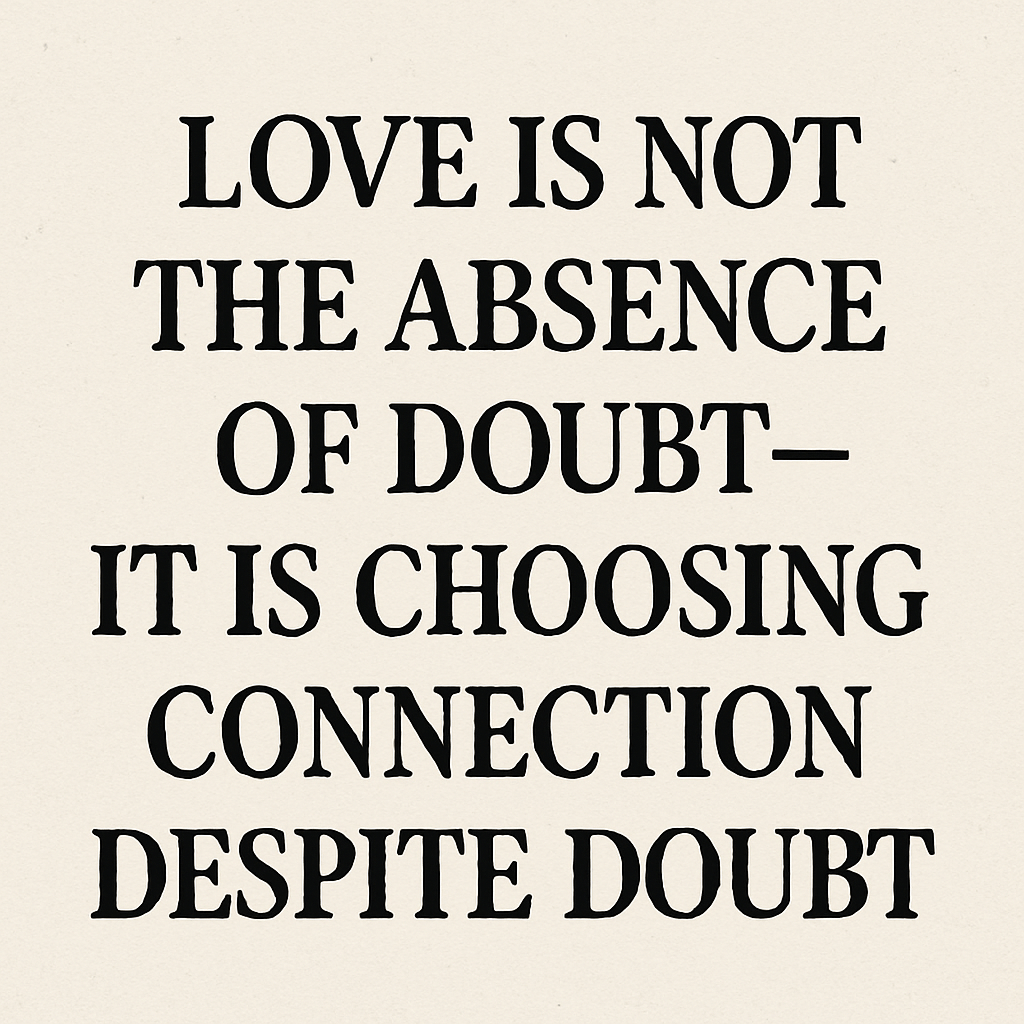
Therapist frame: “Love is not the absence of doubt—it is choosing connection despite doubt.”

Exercise: Couples practice Existential Dialogue:

Partner A says: “One fear I carry is that this talk of Black Magic is eroding my sense of safety

Partner B responds only with: 

Here one can go two ways- the Blame Mode or the Responsibility mode

Blame Mode- You are under the spell of your mother, family of origin and ignore me and this black magic is affecting my health, sleep and sense of future

Responsibility mode: I hear you, understand how this may make you feel uneasy. May you be safe and happy. 

Agreeing to take a time out, mindful pause when things are escalating into negativity, can be a form of Self Care and Relationship care.

Existential Framework:

Intimacy versus Isolation is the psychosocial stage which in this period of uncertainty can challenge the Couple-Bubble- where instead of looking out to see the obstacles of intimacy, trust, each partner becomes caught in Black and White, Us versus Them thinking which is a gateway to Mistrust, lack of faith in the relationship and the trend to going their separate ways. Research documents and contextualizes longevity of relationships in 21st century. 

Altruism and Shared values are key ingredients for maintaining relationships in a challenging society.

Discussion: Explore how parenting vision, family vision and miscarriages and uncertainty make one retreat into isolation (avoiding intimacy, emotional distance).

Existential Reframe: Intimacy is about standing side by side in uncertainty.

Homework Suggestions: 

Routines of Service Eg-Asking and listening how each other’s day went

Rhythms of Togetherness Evening tea, nature walk together, a shared meal

Reading and discussing a book together 

(would highly recommend -The Best of Us) 

Rituals of Intimacy Eye contact 5 minutes, Prayer-Chanting together

Drawing/painting a joint picture

https://maps.app.goo.gl/CYiqv2yiyzDzvq3t9

COUPLE BUBBLE

Exploring existential frameworks, life stages, the needs and feelings of each other and the consequences of having a long term committed relationship on one’s sense of self, future and relational safety are some ways to build a couple bubble.

In the next blog article we will discuss how to Establish and Secure a Couple Bubble.

As an additional tool to see one’s blind spots, the article on Johari Window and Patterns in Relationships can be helpful.

References

Heim, C., & Heim, C. (2023). “How did you stay together so long?” Relationship longevity, a cross‐generational qualitative study. Journal of Marital and Family Therapy, 49(4), 781-801.

Work sheet- Growing Together

Look For Her Among Her Friends

Look for her among her friends- a suggestion by Irvin Yalom, in his book “Staring at the Sun” set me down memory lane. I encourage this to clients suffering from grief. The book tells how self-disclosure can be used to further the therapeutic collaboration.

Recognize, Accept Investigate Non judgment and Mr.Anger

As the anniversary of his mother came, he called his mother in law now in her 80s. She was one of his mother’s good friends.

My friend told of the times when he was being told in subtle and not so subtle ways to not bother others. 

Grief is a journey, and my friend Mr.A has helped me see many ways in which he has mapped his journey of grief. 

One of the things he grieves is the loss of his home, which he built, in the 1990s, when his mother was alive. Now he goes to the same house, to do service, having spent many years in 12 step recovery. However, he did confide that there are uneasy moments when he is told to shape up or shape out, which does not go well for his self esteem and connection.

In the blog on Anger (Dragons or Donkeys) – we had gone through the different approaches to Anger using the classical CBT model- STOPP tools and the Narrative therapy tools of externalization, scaffolding conversations and remembering.

One year on, we did a review of the issues faced through the Grief lens – remembering his mother, who passed away from cancer.

Recognizing his mother’s educator voice within him has been an important part of his growth journey. He remembers the sacrifices, adjustments and nurturing which went in the early years of coming to Canada. She was a well established teacher in a leading school of Bombay (Now known as Mumbai). The best job she could get was that of a bank teller. Her husband, who was a leading marketing executive, became a security guard.

Accepting the hurts and how they are affecting his day, and using the mindfulness tool of going back to a time in his childhood when he had seen abuse in his family of origin became a powerful tool to become more aware of his patterns.

We made a movie – and went back to one of the parties of his childhood, when after the party there would be bitter arguments between his parents. “When I was small, I used to hide and was terrified by the arguing which sometimes became physically abusive,” he said, reliving those moments. We went into the four areas of mindfulness- the body, feelings, thoughts and principles. At his level as a ten year old, he could remember the freezing of the body, the confusion and fear, bitterness at how the evening gathering which was so pleasant had deteriorated to this mess and the principle of family foundation being violated while being there for the four children. 

In the here and now, of the therapy session, we went through these in a safe space and he could see those patterns being repeated in the recent episode of being told to Shut Up or Get Out. 

As we linked the family of origin issue, how that memory stays in his body, feelings, thoughts and what new knowledge he has gained through therapy, he smiled at the habits of his head and heart.

Humber Walks-July 2025: Etienne Brule Park, Old Mills area of Toronto has been one of my thinking places for many years. Here I meet trusted fellows and friends. One such friend told me about the grief of the passing away of his mother, when he was 19 years old, and how he then descended into a life of Drugging and Alcohol. Through a program of Recovery he has been sober for over three decades and helps carry the message of Recovery-One Day at a Time.

Post script: Later that week, he made a phone call to his mother in law, now in her 80s, who told him, when his marriage was getting over. “For me, you will always remain my son-in-law, no matter what happens between my daughter and you.” That moment of being valued served as a message of connection, hope and reconciliation in some of the darkest moments of his life.

Look for her among her friends, the principle came alive in a near and particular way for my friend.

References: Adapted from

Adler, A. (2014). Individual psychology. In An introduction to theories of personality (pp. 83-105). Psychology Press.

Siegel, D. J. (2010). The Mindful Therapist: A Clinician’s Guide to Mindsight and Neural Integration (Norton Series on Interpersonal Neurobiology). WW Norton & Company.

Yalom, I. D. (2008). Staring at the sun: Overcoming the terror of death. The Humanistic Psychologist, 36(3-4), 283-297.

Johari Window: To work through Prejudices and Presumptions

The Johari window tells about the open, hidden,blind, unknown aspects of self and is used by me to collaborate with clients to examine areas of communication, commitment and conflict.University of California psychologists Joseph Luft (1916–2014) and Harrington Ingham (1916–1995) helped conceptualize a model which helps see an individual’s position in and their relationships and interactions with others in a group (Spennemann, 2023).

  One exercise I encourage is to write a letter – to a loved one who has passed away- using the structure of the Johari Window and see how life changes, what things about oneself, relationships and society one can see after doing this exercise.

Case Scenario: A client in his thirties came to me with feelings of unease after having ended a decade long marriage, gone into another relationship which he broke up, and is now in a live-in relationship with another person, but has intrusive thoughts about his previous relationships.

Psychotherapy is a form of caring which is different from psychiatry (which has become a titration of medicines) and will help see the forces, factors, DNA and development in a compassionate manner. As Carl Rogers said- “ The curious paradox is that when I accept myself just as I am, then I can change." 

Application– Through Transcript and Johari Window Exercises.

Transcript of Session.


Client  ( C) : I cannot put my finger on it, but I have been feeling a bit off

Therapist (T-PB) : Is it a feeling of unease or tiredness or both

C- Unease about some memories of the previous relationships

T-PB: Is there a part of that joint energy which informs the present relationships.

C- Yes. Though they should not be coming up, I have to admit that these offsetting memories are coming up.

T-PB- Let us revisit our previous collaboration to examine the open and hidden shoulds which drive one’s thinking.

C- What purpose does that serve

T-PB- It is one of the tools one can use to deconstruct internal dialogue or interpersonal communications and create a safe space, structure and observer mind.


Psychoeducation Point: Open or Hidden Shoulds can be a road to Cognitive distortions which can be emotionally exhausting (you can download worksheet below)

Johari Window Exercises 

  The open self- what is known to both myself and others- can be truths which are undeniable over time, how they affected my relationships, especially with those I hurt, and what parts of me remained consistent and genuine. These can serve as a means to explore the personal and interpersonal dynamics, how they affect identity, isolation, meaning and freedom.

For example

C- We came together when we were in our teens. Despite her parents having warned her about me, she chose to be with me. However, around seven years after our marriage, we started drifting apart, staying together like hostel room members, avoiding any deeper discussion.

T-PB: How would she write about this phase?

This brings us to the blind self- what others can see, but I deny, or cannot see.

C- she would probably tell that I was aloof, got too busy in my work, started spending more time with my friends and was irritable when her family came to visit.

Th-PB- Did she try to mirror these aspects of your lived reality? 

C-She did try to point out, but I was not open to these suggestions. At times I was very volatile, which made her shut down. Then we both got busy with our work, created our own separate friend circles and drifted apart.

Th-PB- Knowing what you know now, can you look back and see how your body language, tone, omissions affected the relationship?

C- It led to a feeling of loneliness, misunderstanding and feeling stifled. 

T-PB: Did it lead to fear, confusion, entitlement 

This leads one to the Hidden Self- What one knows but keeps hidden

C- Yes, it led to confusion and led me astray from my commitment to this relationship. There was a sense of shame as she had supported me in my very difficult teenage years. There was a sense of rejection as we became aloof and I started seeking emotional nurturing from others.

T-PB: What truths did you hide from yourself and others?

C- I cloaked these outside relationships by deflecting questions of where I was spending my time and with whom. I also started developing a sense of entitlement by blaming my partner for these secrets.

T-PB -Is there any pattern in your family of origin which you can see repeating?

C-I never thought about it like this, but that could be an area of enquiry

We agreed to journal about this and discuss as appropriate. This helped us to see the Unknown Self (not known to others and me, what I am only discovering now)

In next sessions we discussed themes of communication, how feelings were discussed or avoided in family of origin and how these truths were handled. To assist this exercise we did the Family Dinner in Childhood Exercise (an adaptation of Family Sculpting Tool suggested by Alfred Adler- see worksheet below)

C- A day in the life of the family, a dinner together led to some old wounds reopening.

T-PB: Therapy can get uneasy and difficult before things get better. 

C-(smiling): Yes, I understand that process, but I needed to look at some buried issues which have been coming up in the way I communicate my needs and feelings.

T-PB: What cultural contexts did you revisit?

C- That was a different time, my parents had freshly moved to Canada. The stress of shifting and still having ties, pulls from the parent culture were telling on their relationship. Being stuck in survival level manual labour jobs added to their burdens.

T-PB: Can you now see the spaces which they had to navigate differently? What strengths are you building by going through this process?

..

Comments: 

  I first came to know of the Johari window during a training session with my supervisor. She taught me to see things from different hats, and at times not put on any hat (my own prejudices and presumptions) and just walk along with the client, see the world as they see it. 

This led me to sit in cafes near the community housing of Black Creek areas where living poor, working rough is common. I would visit a client weekly during my training, and help her navigate her reality, widowed in 2019 just before Covid19, institutionalized in 2022, having a teenage daughter back home in Ghana, separated from her pre-teen son in Toronto. The Johari window helped me see the relational dynamics and my own areas for growth.

Psychotherapy is a form of caring which is different from psychiatry (which has become a titration of medicines) and will help see the forces, factors, DNA and development in a compassionate manner. As Carl Rogers said- “ The curious paradox is that when I accept myself just as I am, then I can change.” 

References

Spennemann, D. H. (2023). The usefulness of the Johari Window for the Cultural Heritage Planning Process. Heritage, 6(1), 724-741.

JOHARI WINDOW WORKSHEET

Dragons or Donkeys

Equanimity: Managing Anger -Comparing Narrative Therapy and CBT

I make myself rich by making my wants few

         Henry David Thoreau

Modern man no longer communicates with the madman . . …

  and expels from the memory all those imperfect words, 

of no fixed syntax, spoken falteringly, in which the exchange, between madness and reason, was carried out. 

Michel Foucalt, 1961, History of Madness

Foucalt: (15 October 1926 – 25 June 1984)History of Madness (1961)

In this article we discuss ways in which different approaches can benefit in defining an issue, taking the example of anger. Anger leads to loss of equanimity.       

The word equanimity comes from Latin roots meaning “even” and “mind”. Holding what passes through your mind in spaciousness to stay in balance, moving beyond the reactive mode is achieved by Equanimity. The chain of expectations, desires, wants, are broken leading to alleviation of suffering. 

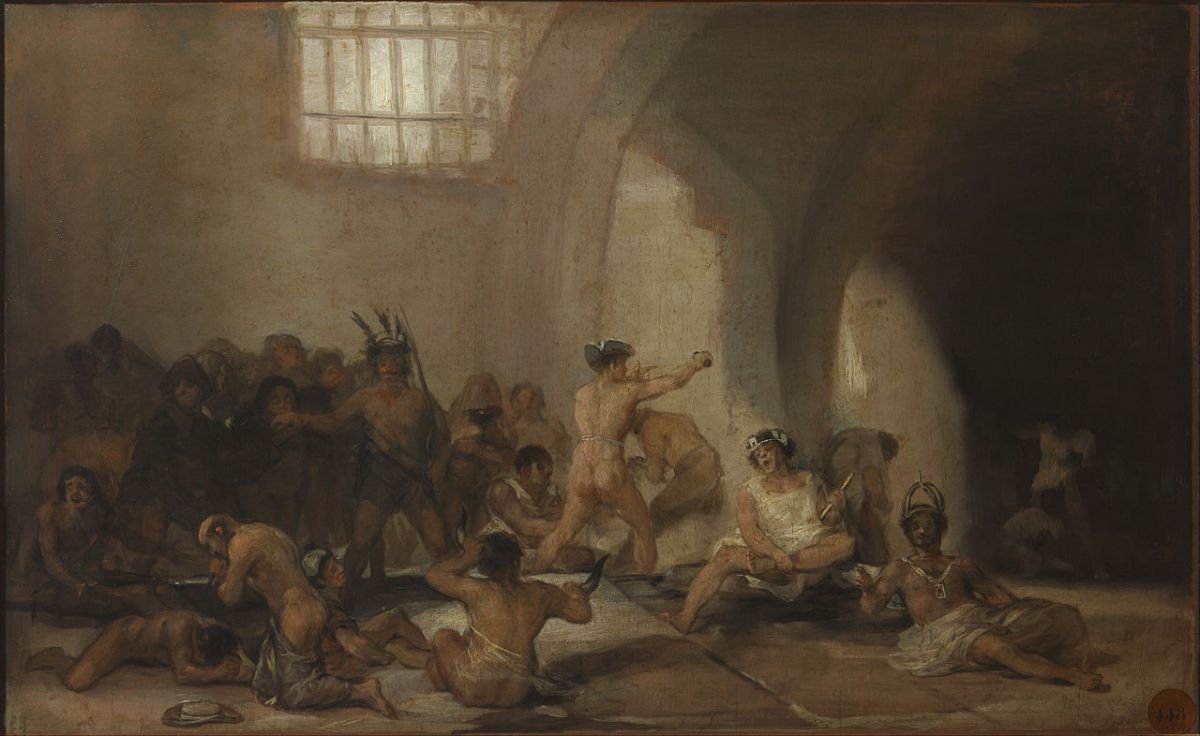
The Madhouse (Spanish: Casa de locos) or Asylum (Spanish: Manicomio) Francisco Goya- 1812-1819

The following are some exercises which I have found useful in moving into Equanimity.

1-      Write down ways in which one starts becoming less balanced. 

A written record of the ways in which one starts going into the cycle of expectations, desires, wants, fears, greed, disgust can give a good opening into the habits of the heart and head. One way to sharpen this focus is to read a newspaper/news-site for 15 minutes and keep classifying under the headings of greed, fear, disgust the feelings evoked by the articles.

 2- Developing Borders and Boundaries:  Remembering Spencer (White, 1984; White, 2007)

Spencer, the young boy who had the issue of soiling was told to characterize in near and particular terms, how this issue is affecting and ruling his life. His parents were told to characterize how this issue rules and ruins their lives. Then Spencer was asked to give a name to this issue of Soiling. He called it Mr.Mischief. They went on to relate to this issue in a particular rather than general manner, and in a near rather than distant way, thus helping define the boundaries and borders of the issue, get a better handle on it and define their relationship to the issue. 

This example of Spencer, illustrates how to externalize and objectify an issue which is affecting one’s life, and then create a statement of position map, which can help one create a plan and monitor our process.

3-     Creating personal examples : Balance of the Lotus

Eastern traditions see the Lotus flower as an embodiment of purity, enlightenment and rebirth. The balance between beauty and adversity are shown in the growth process of the Lotus, as it emerges above mud and water. It symbolizes  harmonious balance between earthly struggles and divine purity.

Nature walks and creating living symbols of these experiences has been a way to enhance balance in my life.

4- Case Scenario: Anger seen through different counselling approaches (Narrative/CBT)

Mr. S, presents with anger, which has affected his work, relationships, standing in community

NARRATIVE THERAPY APPROACH

  • Externalize – The history of anger, as if it is a creature outside of oneself waiting to get inside you
  • Therapist Role-is on listening, accepting, non-judgmental, non-confrontational statements..to be like a Junior Partner, Investigative Journalist, 

CONTRAST WITH CBT APPROACH

BASIC ID-Behaviour- writes angry letters, throws plants 

Affect                feels humiliated 

Sensations        pounding heart

Imagery              sees himself being taken away from grandson

Cognitions          I am a middle aged man who is being deprived of my rights,

                             standing in unfair manner

Interpersonal     angry at wife , sons, in-laws

Drugs                 takes alcohol to drown the pain

NARRATIVE THERAPY approach uses interventions like externalizing, metaphors, mapping to develop a near and particular relation with the issue.

Mr.S went into the history of anger, by asking to see it as a creature outside oneself who is thinking of ways to trick him into losing his calm.  Mr.S told of his early years of immigration from Bombay, India to Canada, how he saw his mother being beaten by his alcoholic father, his being bullied in school. As he became a teenager, he stopped these things as best as he knew.The “Bullied became the Bully”. On being asked to give a name for Mr.Anger he came up with two metaphors. He first called Mr.Anger the “Dragon”. However, on reflection he said, “If I am still riding this creature and getting taken for a ride in my seventh decade of life, then I am riding a Mr.Donkey”.

 After establishing rapport, agreeing that anger-related issues are worth exploring and addressing, we set about seeing how Mr.S has constructed his life around anger by

1- Externalizing anger

2- Deconstructing anger narratives

3- Re-authoring personal stories

4- Exploring values and intentions

5-Creating alternative responses

1- Externalizing anger

       Encouraging Mr.S to treat Mr.Anger as a separate entity or character helped distance himself from anger and view it as something outside of his core identity. Be doing this he gained a new perspective on his anger, started seeing how his life would be without anger and create a map to challenge the dominance of anger in his life.

2- Deconstructing anger

         We explored the stories and meanings Mr.S attaches to his anger. Through telling these stories we were able to examine the underlying beliefs, assumptions, and cultural influences that contribute to his anger. For example, as he recalled the weekend discussions which turned into angry arguments in his family of origin, he became more clear about how issues of safety, and the way to deal with un-ease through lashing out or suppressing became a dynamic in his life. This has in different forms played out in his family of creation, and he can now see this pattern even in his interactions with the in-laws of his sons. Deconstruction helped gain insight into the origins and maintenance of anger.

Scripting of the scenarios which continue to trouble him in is life in the present, helped develop alternative interpretations. Through role plays, we started developing better results.We refined these approaches through counselling and keeping an Anger Journal (He called it Riding with Mr.Donkey journal)

3- Reauthoring personal stories: 

The scripts made through externalization,deconstruction tools above helped Mr.S gain the power to rewrite his narratives, explore alternative perspectives and be more aware of how his prejudices and projections are affecting his relationships. New stories began to emerge which offered new ways of understanding and creating his experiences.

Shifting from being defined by anger to seeing himself as capable of change and growth, and being a channel of peace, understanding, and kindness has helped Mr S and his family be very different from where they were a year ago.

4- Exploring values and intentions: 

As Mr.S evolved from a “Head over Water” Survival level recovery to a more wholesome bigger version of himself, he began to examine his values and vulnerabilities, intentions and impact regarding anger. As we explored pivotal life moments, the purpose anger has served in his life, he changed his way of looking at his teenage years, and also his work, family and community. This led to a deeper understanding of his emotional experiences.

 This exploration  paved the way for aligning anger with personal values, he rebuilt his relationship with his estranged wife and children, and has started exploring healthier ways of expressing his needs, feelings, situations and story.

5- Creating alternative responses: 

The list of alternative responses to Mr.Anger (Dragon/Donkey) helped challenge the dominant narrative that aggressive or destructive behaviours result from anger. He started developing new strategies to harness anger constructively. His strengths, resources, alternative stories enabled him to respond to anger in ways more in life with desired outcomes.

Key points and summary

Creating balance through understanding the borders and boundaries of an issue helps one come up with creative ways to enhance life. Through keeping a written record of the way issues like anger speak in one’s life, how they disturb equanimity, we saw two different approaches to this issue- a classic Cognitive Behavioural therapy (CBT) approach and a Narrative therapy approach (NT). Creating a positive journal of values, symbols and metaphors (Lotus, dragon, donkey, map, territory, journey) helped co-create better life options. 

Exercise

       Do you have an issue which you need to see through a different lens? Write how it has spoken to you in your life and discuss as appropriate. Alternatively, write a letter to the issue.

White, M. (1984). Pseudo-encopresis: From avalanche to victory, from vicious to virtuous cycles. Family Systems Medicine, 2(2), 150–160. https://doi.org/10.1037/h0091651

White, M. (2007). Maps of narrative practice. WW Norton & Company.

Modern man no longer communicates with the madman . . 

. There is no common language, or rather, it no longer

 exists……..The language of psychiatry, which is a monologue 

by reason about madness, could only have

 come into existence in such a silence.

Foucalt, 1961

Re-membering

Understanding Grief: Finding Meaning Through Narrative Therapy

30 August is Grief Awareness Day. 

People who have lost someone have a certain look recognizable maybe only to those who have seen that look on their own faces. I have noticed it on my face and I notice it now on others. The look is one of extreme vulnerability, nakedness, openness.”

Didion, (2007, p.35)

The stages of grief model of Kubler Ross and David Kessler talks about Denial, Anger, Bargaining, Depression, Acceptance, Finding meaning. 

Case scenario– The long term partner chose not to be with him when he went for MAID- Medical Assistance in Dying as she did not want to increase the conflicts in his family. The step sons, brothers do recognize her, but the ex-wife and related persons would be uneasy by her presence. As she struggled with feelings of guilt, shame, confusion we turned to Narrative therapy informed techniques to deepen the finding meaning.

Remembering Conversations- Discussing the contributions of a loved one to your life, your contributions to their life and how one would imbibe those lessons and memories going forward

Background:  Re-membering is a Narrative Therapy (NT) intervention in which we dig deeper into the implication of one’s contribution to the person’s identity, that person’s contribution to our life, how one’s identity would be viewed through that person’s eyes and the implication of these contributions (White, 2007)

Finding meaning

The contribution to each other’s identity conversations led to how he had helped her process her loss when her ex-husband passed away, and she wanted to be there for the sake of her sons from that marriage. Her partner had helped her in that difficult stage and they found meaning in deeper conversations on the processes of family, parenting and life. Her own contribution to his identity was on finding renewed meaning in his connection with his step-sons, after his marriage dissolved. His step sons spoke at the funeral and mentioned how they had seen a different way of relating as their father (the only person they knew as their father- climbed upon him when they were children- as their own biological father had left when they were very small). 

When one views one’s identity through that person’s eyes, reflects upon the implications of these contributions one can find go beyond day-to-day life and have a richer connection.

Exercise

Stop and try to remember a person who has physically passed, and remember the joint energy of that relationship.

An aid could be try to remember a shared moment and see how it felt to be together, what remains from that moment and how you would imbibe that energy in your life.

Share as comfortable.


What was the experience of re-membering and sharing like.

My example: Nature walks early in the morning were a gift my father gave to me. I remembered him on his 4th death anniversary on a walk up the Hills near Haridwar, Uttarakhand India in 2003. That moment of imbibing the joint energy has been imbibed into my life by many such nature walks over the decades. One of his other contributions in my life was to model what a flashcard and a checklist would do to one’s work. In my pre-school years, I saw him make flash cards of important drugs, how they would interact with other drugs and with body systems in different stages of disease (he was an anesthesiologist). Having such flashcards and checklists have been part of my professional identity. 

Re-membering models could see these experiences (nature walks, checklists, flashcards) be revisited by seeing how these experiences contributed to each other’s meaning. As I went into hostel (medical school days-Delhi 1980s) we went for nature walks to the hills of Shimla, Himachal Pradesh, India and he talked about his younger childhood years, we prayed at the temples which he had visited as a child. Those pilgrimages, museum walks have imbibed in me the spirit of taking my own sons, nephews, nieces to museums, natural areas. 

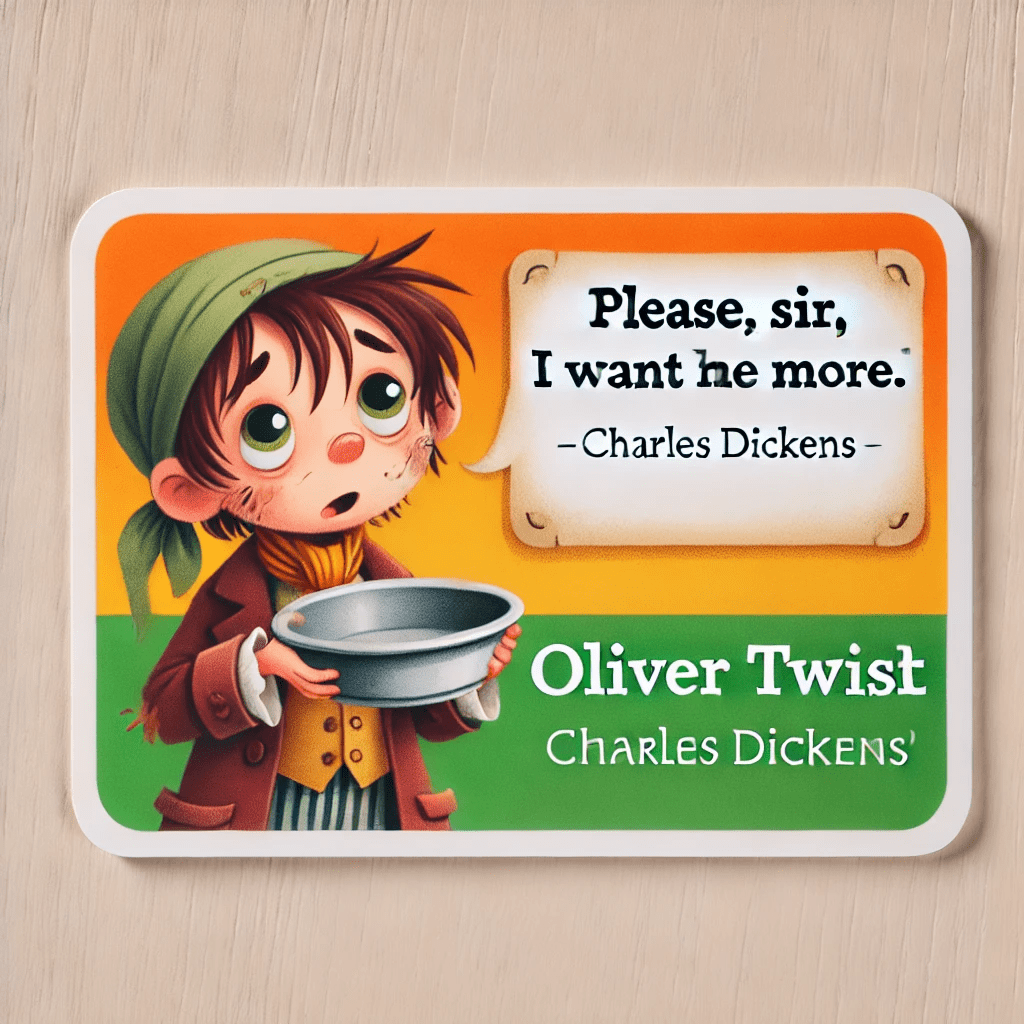
My grade 3 teachers in St Vincent’s High School Pune, Maharashtra, India- 1975-76, introduced me to Charles Dickens through the story of Oliver Twist. The love of the written word is a legacy my parents passed on to me. They started our Home Library even before I entered grade 1.

If his spirit would see/experience this, he would view it as an extension of our walks together in the Western Sahyadri ranges and Northern Himalayan ranges of India.

Key words

Grief,  Finding Meaning, Identity, Definitional Ceremonies, Remembering, Narrative Therapy

Walks-New York Botanical Gardens; My parents instilled the love of the written word, nature and science in me. My mother, a botanist, created the first Rock Garden I knew, in Poona, Western India in 1970s. Looking at this Rock Garden at NYBG-June 2025-sent me down memory lane. What part of our identity is shaped by a loved one?

References White, M. (2007). Maps of narrative practice. WW Norton & Company.